26
India Fuel Prices Surge: 4th Hike in 10 Days Hits Consumers
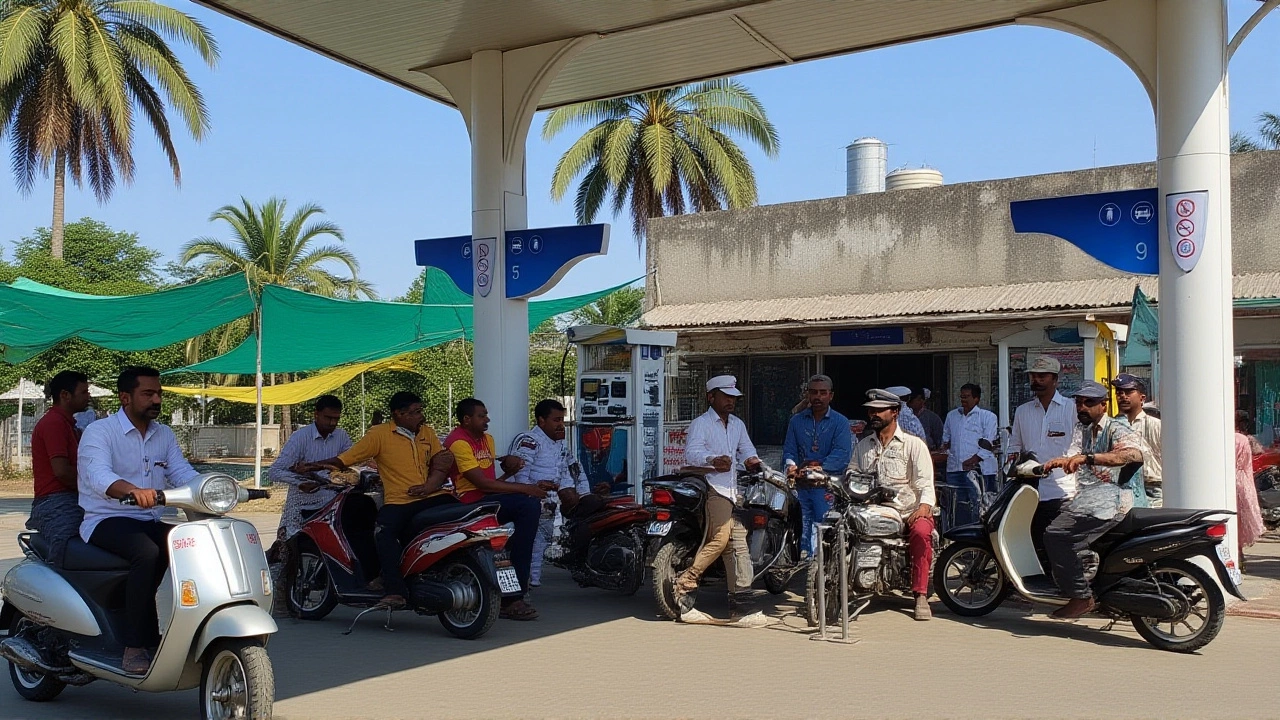
When Indian Oil Corporation and its public sector peers announced another round of fuel price hikes on Monday, it wasn't just a routine adjustment. It was the fourth increase in less than two weeks, sending shockwaves through an economy already grappling with rising living costs. The latest move pushed petrol prices up by ₹2.61 per litre and diesel by ₹2.71 per litre across major cities, including the national capital.
This isn't isolated bad luck for commuters. Since May 15, petrol has become ₹7.35 more expensive per litre, while diesel has jumped by ₹7.82. For millions of Indians relying on daily wage labor or small businesses, these numbers translate directly into tighter budgets and heavier burdens. Here's the thing: this rapid escalation follows a long period of stability, making the sudden volatility all the more jarring for consumers who had finally gotten used to predictable pump prices.
The Timeline of Escalating Costs
To understand why experts are sounding alarms, you have to look at the speed of these changes. The first hike landed on May 15, adding roughly ₹3 per litre to both fuels. Then came May 19, with a smaller but still painful bump of ₹0.90 per litre. By May 23, petrol rose by ₹0.87 and diesel by ₹0.91. Finally, the Monday revision added those significant ₹2.61 and ₹2.71 increments.
That’s four distinct increases in just 10 days. Turns out, this pace is unusual even for volatile commodity markets. Most analysts expected a gradual correction, not this kind of sprint. The cumulative effect means that if you filled your tank on May 14, you’re now paying nearly ₹8 more per litre than you did then. That’s not a rounding error; that’s a tangible hit to household income.
Why Are Prices Rising So Fast?
The reasons aren't mysterious, though they are uncomfortable. Unnamed oil officials pointed to two main culprits: soaring international crude oil prices and a weakening Indian rupee against the US dollar. When crude hits record highs globally and the currency depreciates, import costs skyrocket. Public sector oil marketing companies (OMCs) are essentially passing these increased import bills straight to the consumer.
But wait, there's a twist. Even after these hikes, the companies aren't breaking even. According to estimates from CRISIL, a leading rating agency, OMCs are still losing approximately ₹10 per litre on petrol and ₹13 per litre on diesel. This "under-recovery" gap explains the urgency. They’re trying to close a financial hole that global market forces widened overnight.
Impact on Ordinary Citizens
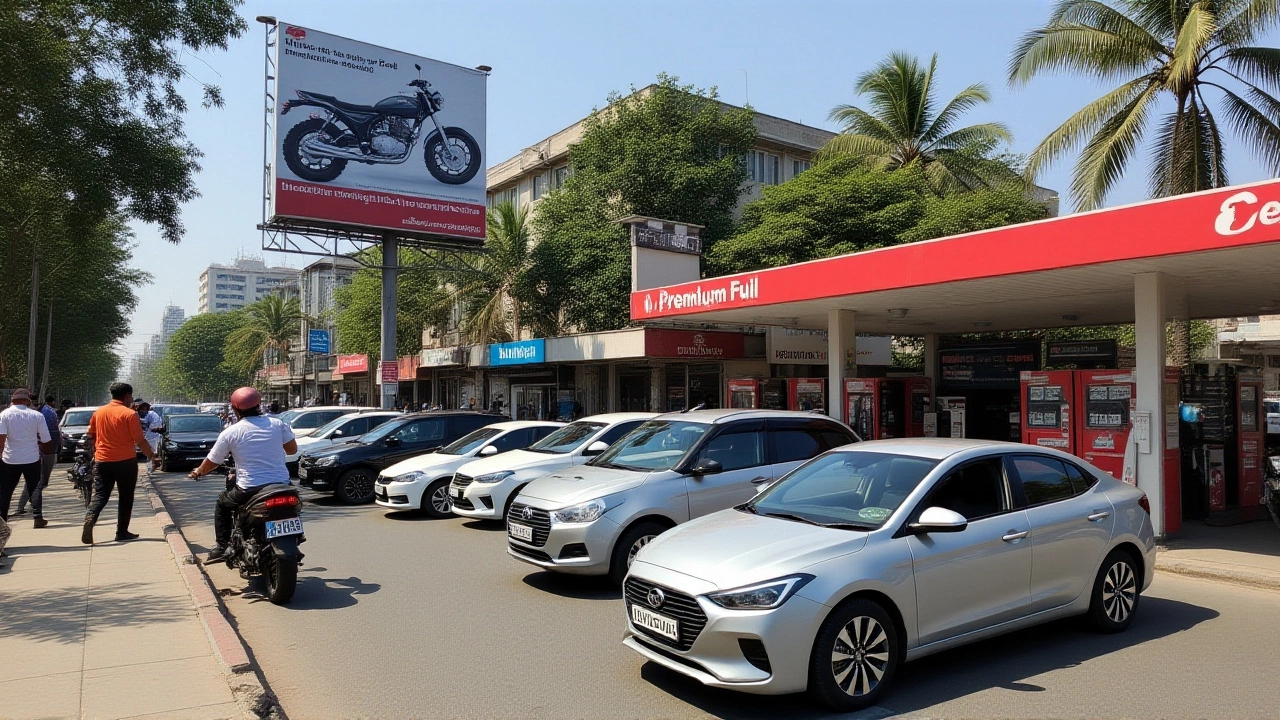
The ripple effects go far beyond the gas station. As Delhi and other metropolitan areas saw new prices take effect, transportation costs immediately spiked. Truckers, taxi drivers, and logistics firms face higher operational expenses, which inevitably get passed down to shoppers buying groceries, vegetables, and essential goods.
AajTak reported that this surge adds significant inflationary pressure. For the average family, this means the cost of everyday necessities is creeping up again. It’s a classic domino effect: higher fuel costs lead to higher transport fees, which lead to higher food prices. Experts warn that this could erode purchasing power just as economic growth starts to pick up steam.

What’s Next for Fuel Prices?
The details on future hikes are still unclear, but the outlook isn’t optimistic. Industry observers suggest that unless crude prices stabilize or the rupee strengthens significantly, further increases are likely. There’s no fixed timeline, but the current trend suggests volatility will remain high through the coming months.
Consumers should brace for potential adjustments every few days rather than waiting for monthly reviews. The key takeaway? Budget for higher travel costs now. If you run a business, factor these rising logistics expenses into your pricing models immediately. Waiting too long could mean eating the losses yourself.
Frequently Asked Questions
How much have petrol and diesel prices risen since May 15?
Between May 15 and May 25, petrol prices have increased by a total of ₹7.35 per litre, while diesel prices have risen by ₹7.82 per litre. This cumulative increase comes from four separate hikes implemented over a 10-day period, reflecting the rapid escalation in global crude costs and currency fluctuations.
Why are oil companies raising prices so frequently?
Oil Marketing Companies (OMCs) are responding to two primary factors: soaring international crude oil prices and the depreciation of the Indian rupee against the US dollar. These factors have significantly increased their import costs. Despite recent hikes, agencies like CRISIL report that OMCs are still operating at a loss of ₹10-13 per litre, forcing them to adjust retail prices frequently to minimize under-recovery.
Will fuel prices continue to rise in the near future?
Experts believe further increases are possible. With global crude prices remaining high and the rupee continuing to face pressure, the fundamental drivers for higher costs haven't disappeared. While no specific dates have been set for future hikes, the current trend suggests that prices may remain volatile or continue upward until global market conditions stabilize.
How does this affect inflation and daily life?
Rising fuel costs directly impact transportation and logistics, which in turn raises the price of essential goods like food and household items. This creates inflationary pressure, reducing the purchasing power of ordinary citizens. For daily wage earners and small business owners, the immediate effect is a tighter budget and increased operational costs.